Last reviewed: October 17, 2026. Prices, rates and rules change. Every figure below links to its source.
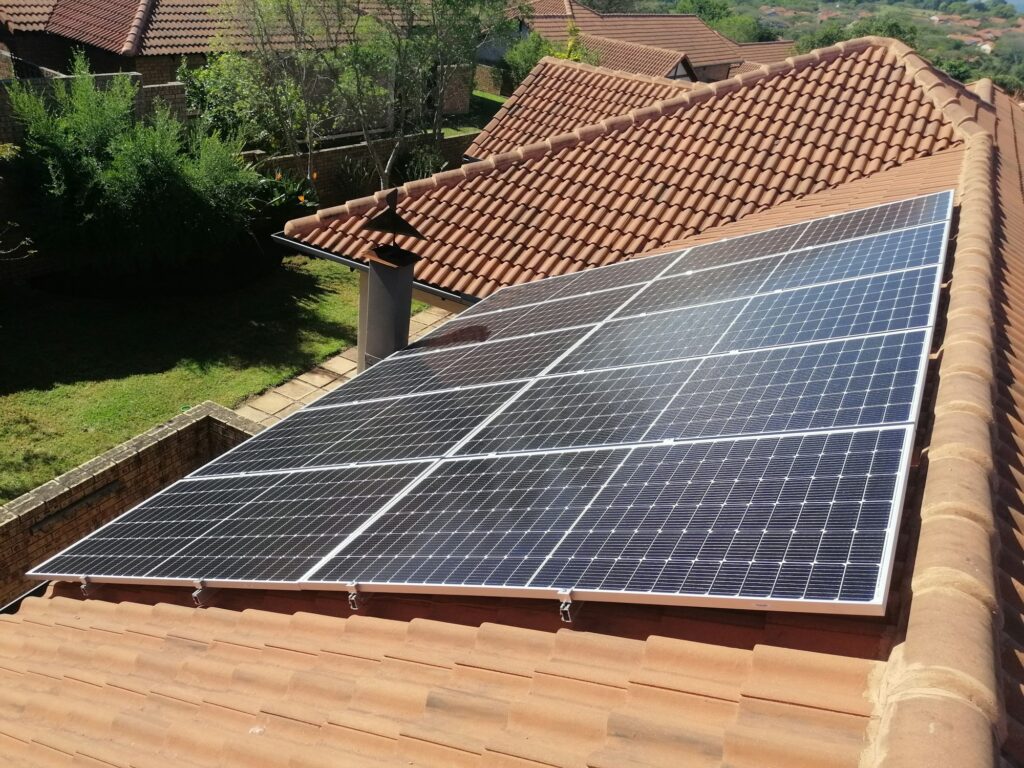
This guide explains solar panel cost Florida homeowners may see, using the state average installed price of $2.12 per watt (EnergySage Florida cost data (average, before incentives), September 2026) before incentives. At that price a 7 kW system costs about $14,840. Homeowners who buy a system in 2026 get no federal tax credit, so that price is close to what you actually pay.
Solar panel cost Florida: compare typical system sizes
Installers price systems by the watt, so the size you need drives the total. At the average price above:
| System size | Estimated installed cost |
|---|---|
| 5 kW | about $10,600 |
| 7 kW | about $14,840 |
| 9 kW | about $19,080 |
| 11 kW | about $23,320 |
Real quotes vary with your roof, equipment, permitting and the company. Compare quotes in dollars per watt (total price · system watts) so different system sizes line up.
No federal tax credit for buyers in 2026
The 30% federal credit for homeowners (Section 25D) ended for systems placed in service after December 31, 2025 (Solar.com). If you buy with cash or a loan, do not subtract 30% from any quote. Companies that own a system on your roof (a lease) can still claim a business credit; see our lease vs. buy guide.
Florida’s electricity rate
The average Florida residential rate was 14.99¢ per kWh (U.S. EIA, Electric Power Monthly (residential average price), updated automatically, August 2026), below the U.S. average of 18.31¢ for the same month. A lower rate means each kWh your panels make saves less than it would in a high-rate state, so payback depends heavily on your own bill. Use the rate printed on your bill in the calculator if you can.
Net metering in Florida
Florida’s investor-owned utilities must offer net metering to customers with their own solar under Public Service Commission Rule 25-6.065:
- Extra energy you send to the grid is credited against your use in the following month.
- Credits carry forward for up to 12 months. At the end of each calendar year the utility pays you for unused credits at its much lower “as-available” energy rate, so a system sized to your actual use is usually the best value.
- Systems of 10 kW or less (Tier 1) cannot be charged extra fees beyond those other customers pay, and the utility cannot require liability insurance for them.
The rule applies to investor-owned utilities. Municipal utilities and electric cooperatives set their own rules, so check with yours before signing. Net metering has been debated in Florida before, and rules can change; what you sign up under today is what matters, so ask your utility how future changes would affect existing customers.
Florida tax exemptions
- Sales tax: Solar energy systems and their components are exempt from Florida sales tax (Section 212.08(7)(hh), via UCF’s Florida Solar Energy Center).
- Property tax: Florida law provides a property tax exemption for residential renewable energy equipment (UCF FSEC). Ask your county property appraiser how it applies to your home.
We have not verified any statewide Florida rebate for solar or batteries as of the review date above. Some utilities run their own programs; ask yours.
HOAs cannot ban solar in Florida
Under Florida’s Solar Rights Act (Section 163.04), a deed restriction, covenant or homeowners association cannot prohibit solar collectors on homes up to three stories. Associations may still have a say in where panels go on the roof, so submit your plans as your HOA requires. Condominium common areas follow a separate law (Section 718.113).
Buying vs. leasing in Florida
Florida generally does not allow third-party power purchase agreements (paying a company per kWh for power from panels it owns), but the Public Service Commission allowed residential solar leases in 2018 (pv magazine). So the choices are usually cash, a loan, or a lease. Enter a lease quote in the calculator’s “More options” to compare it with buying.
For another perspective, read our solar lease vs buy guide and see how solar savings are calculated.
Hurricanes, roofs and insurance
- Ask each installer what wind rating the racking is installed to and confirm the job will be permitted and inspected.
- If your roof is near the end of its life, price a re-roof first. Removing and reinstalling panels later adds cost.
- Call your homeowners insurer before you sign to ask how solar affects your coverage and premium.
Questions to ask every installer
- What is the price per watt, and what exactly is included (permits, monitoring, roof work, electrical upgrades)?
- Which panels and inverters, and what are the product and workmanship warranties?
- How did you estimate my production, and how did you account for shade?
- Which utility rules and incentives does your savings estimate assume?
- Are you licensed in Florida, and who does the installation: your crew or a subcontractor?
Some links on this page may be affiliate links. If you buy or sign up through them, we may earn a commission at no extra cost to you. It never changes the numbers our calculator shows. How we make money.
Sources
- EnergySage: cost of solar panels in Florida
- U.S. EIA, Electric Power Monthly, Table 5.6.A
- Florida PSC Rule 25-6.065
- UCF Florida Solar Energy Center: Florida energy policy
- pv magazine: Florida allows solar leases
- Solar.com: end of the residential solar tax credit
Florida solar cost questions
How much do solar panels cost in Florida?
The average installed price of home solar in Florida is $2.12 per watt (EnergySage Florida cost data (average, before incentives), September 2026), before any incentives. Real quotes vary with your roof, equipment, permitting and the installer. The system-size table above shows typical totals.
Is solar worth it in Florida?
It depends on your own bill and rate. Florida’s average residential rate was 14.99¢ per kWh (U.S. EIA, Electric Power Monthly (residential average price), updated automatically, August 2026). In a lower-rate state, each kWh your panels make saves less than in a high-rate state. Enter the rate printed on your own bill in our calculator to see a closer estimate for your home.
Does Florida still have net metering?
Yes. Florida’s investor-owned utilities must offer net metering to customers with their own solar under Public Service Commission Rule 25-6.065. Extra energy is credited against your use in the following month, credits carry forward for up to 12 months, and at the end of each calendar year the utility pays out unused credits at its much lower as-available rate. Municipal utilities and electric cooperatives set their own rules.
Is there still a federal tax credit for solar in Florida?
No. The 30% federal credit for homeowners under Section 25D ended for systems placed in service after December 31, 2025, so a Florida homeowner buying in 2026 should not subtract 30% from any quote. Companies that own a system on your roof can still claim a business credit.
Is solar tax-exempt in Florida?
Solar energy systems and their components are exempt from Florida sales tax, and Florida law provides a property tax exemption for residential renewable energy equipment. Ask your county property appraiser how it applies to your home.