Last reviewed: October 20, 2026.
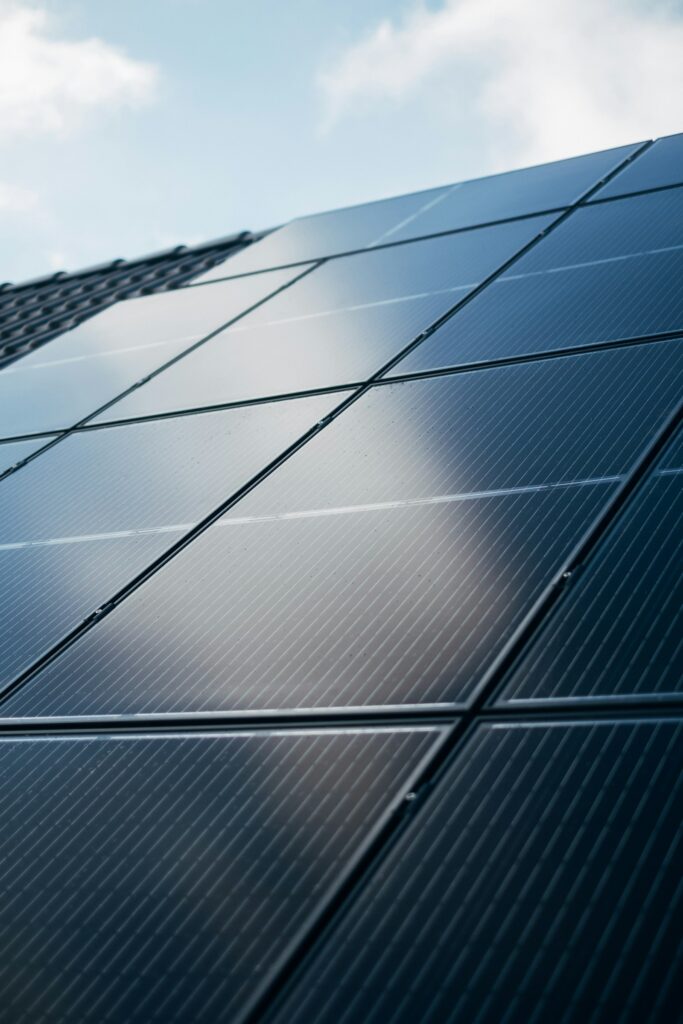
Solar panel prices come in two very different forms: the price of the equipment alone, and the installed price of a finished system. Installed home systems ran about $2.50 to $3.50 per watt in early 2026 (Earth911, citing EnergySage). Equipment bought on its own costs much less per watt, because it leaves out design, permits, labor and the installer’s overhead.
We have not yet published verified equipment-only prices. We will add them, with sources and dates, when we compare products from retailers.
Equipment price vs installed price
- Equipment only: panels, inverters, racking and wiring you buy yourself, for example as a kit. You still need design, permits, an inspection, utility approval and, in most cases, a licensed electrician.
- Installed price: everything above plus labor, permits and warranties from the installer. This is the number to compare with our calculator. See solar installation cost.
How to compare solar panels
- Price per watt: divide the price by the panel’s rated watts so panels of different sizes line up.
- Rated power and efficiency: a more efficient panel makes more power from the same roof area, which matters most on small or shaded roofs.
- Warranties: check both the product warranty (defects) and the performance warranty (how much output is guaranteed after 25 years or so).
- Manufacturer specifications vs independent tests: spec sheets come from the maker. Treat them as claims, not test results.
DIY kits and plug-in solar
A DIY kit can cut the equipment cost, but a roof-mounted, grid-connected system still needs permits, inspection and utility approval, and most homeowners hire an electrician for the connection.
Plug-in (balcony) solar is a newer, much smaller option: one or two panels with a microinverter that plugs into a standard outlet. Utah legalized it in 2025, several other states have followed, and UL Solutions published the UL 3700 safety standard for these systems (The Gadgeteer, May 2026). Check your state’s law and your utility’s rules before buying one.
Solar panel price questions
- How much do solar panels cost?
- Installed home systems ran about $2.50 to $3.50 per watt in early 2026, according to EnergySage marketplace data reported by Earth911. Equipment bought on its own costs less per watt because it leaves out design, permits, labor and the installer's overhead. Earth911, citing EnergySage
- What is the difference between equipment price and installed price?
- The equipment price covers panels, inverters, racking and wiring only. The installed price adds design, permits, inspection, utility approval, labor and the installer's warranties.
- How should I compare solar panels?
- Compare price per watt, rated power and efficiency, and both the product and performance warranties. Treat manufacturer specifications as claims rather than independent test results.
- Is plug-in solar legal?
- It depends on your state. Utah legalized plug-in solar in 2025, several other states have followed, and UL Solutions published the UL 3700 safety standard for these systems. Check your state's law and your utility's rules before buying. The Gadgeteer
Some links on this page may be affiliate links. If you buy or sign up through them, we may earn a commission at no extra cost to you. It never changes the numbers our calculator shows. How we make money.